ServicesPaint Prep
Wall Prep for Painting in Bayonne
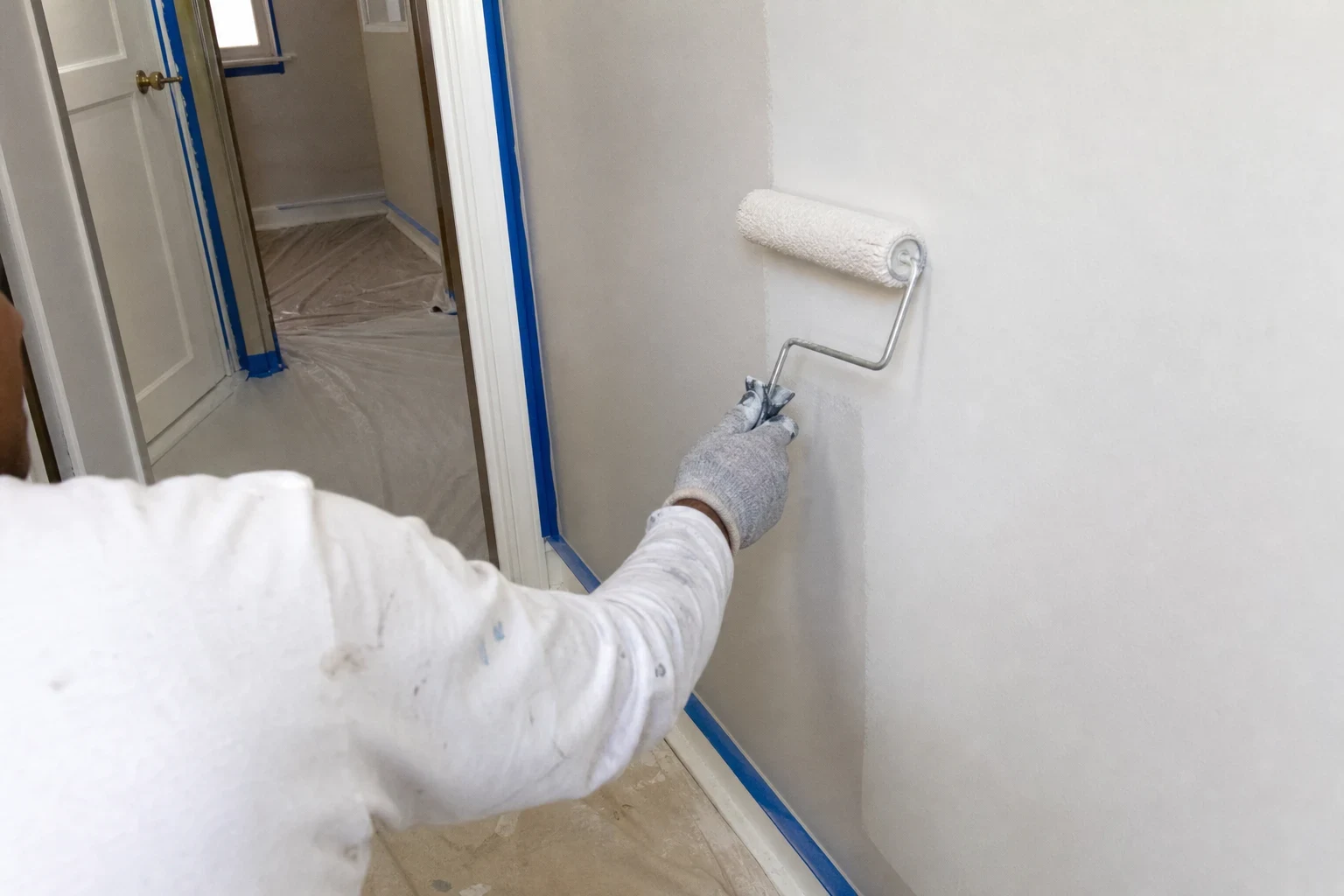
Fresh paint shows every dent, crack and ridged seam underneath it. We repair the drywall before you repaint. We patch, tape, sand and prime the repairs, so the walls are ready for you or your painter on the date you planned.
The wall work that comes before the color
We are a drywall company. We don't paint full rooms. We do the part that decides how the paint will look: fixing walls and ceilings so new color goes on over a flat, even surface. If you have a painter lined up, or you plan to paint yourself, we get the room to that point.
The best time to call is a few weeks before painting day. Joint compound needs to dry fully between coats, usually overnight and longer in damp weather. Calling early also lets you budget the repair on its own instead of finding out the morning the painter shows up that a wall needs work.
Many homes around Bayonne have older plaster next to newer drywall from past renovations. Those joints show through paint unless they are feathered out wide and primed, which is exactly the kind of thing we fix before it becomes a surprise.
What the prep work includes
- Holes, dings and popped screws
- Anchor holes get filled, doorknob dents get fixed and popped screws get reset. Bigger holes get a real patch with backing behind it, not a lump of compound.
- Joints and corners
- Tape that is peeling gets cut away and replaced. Corner bead that is cracked or dented gets swapped out so outside corners look straight once painted.
- Matching the texture
- When a wall or ceiling has texture, we recreate it over the repair. A smooth patch on a textured surface jumps out after paint goes on.
- Sanding and a tidy room
- Each repair is sanded level with the wall around it. We cover floors and furniture, then vacuum and wipe surfaces before we go.
- Priming the repairs
- Bare compound takes paint differently from the wall around it. Every repair gets primer so it won't turn into a dull patch later.
- Small touch-ups
- If just one spot needs work and you have the original paint, our paint touch-up service can blend it so the wall doesn't need repainting.
Signs your walls need work before you paint
Rows of small bumps
Nail pops usually show up in a line along a stud. Paint over them and they push through again.
Cracks at doors and ceiling lines
Hairline cracks off door and window corners tend to come back if they're only caulked. They need tape and compound.
Old patches you can see in side light
Shine a flashlight along the wall. If an old repair casts a shadow, new paint will make it more obvious.
Brown rings on the ceiling
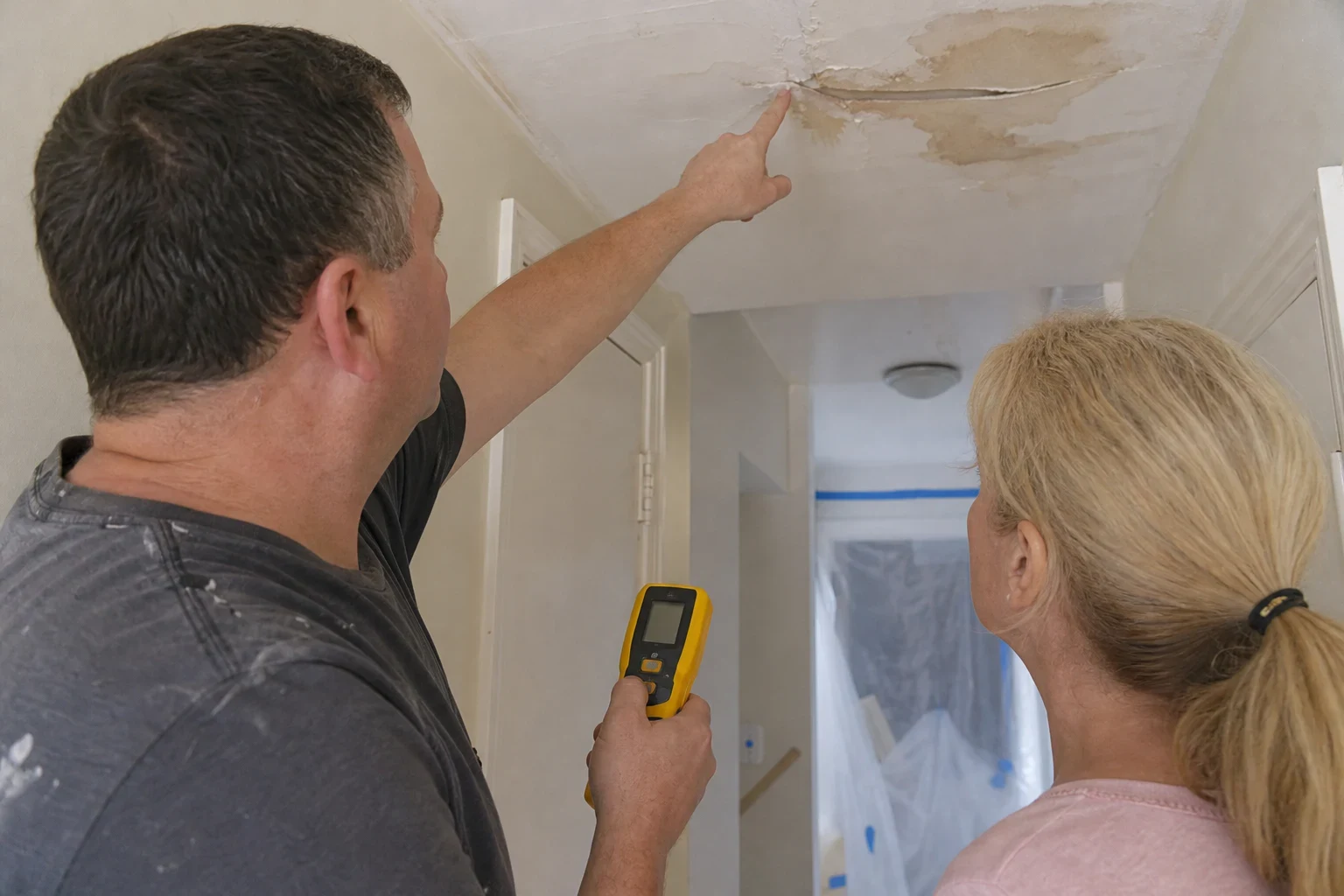
A water stain needs the leak fixed first, then a check for soft drywall. After that we repair, seal the stain and prime.
A darker or glossier color
Deep colors and higher sheens show flaws that flat white hides. Plan for more prep if you're making that change.
How a prep job runs
- 1
Call and walkthrough
You tell us which rooms you're painting and when. We come look at the walls and ceilings and point out what will show through paint.
- 2
Written estimate and a schedule
You get a written estimate that lists each repair. We set dates that finish before your painter starts, with drying time built in.
- 3
Repair days
We cover the floor and move what needs moving. Patches and tape go on first, then a second and third coat once each one dries.
- 4
Sand, prime and check
We sand, check each wall with a work light held flat to the surface, and prime the repairs. Then we clean up and hand the room over ready to paint.
What moves the cost of paint prep
Prep is priced by the work the walls need, not the size of the room alone. One room with a few anchor holes is a short job. A room with cracked seams, an old stain and a textured ceiling takes more visits. We walk you through each line on the estimate so you can plan for it.
- How many repairs and how big
- A handful of small holes takes far less time than several patches or long runs of loose tape.
- Texture
- Smooth walls are quicker. Matching an existing texture takes extra steps and a test spot.
- Ceiling height and access
- High ceilings and stairwells need ladders or planks, and crowded rooms take longer to cover and clear.
- What's behind the surface
- If drywall is soft from old water damage, it gets cut out and replaced instead of patched.
- Your timeline
- Compound needs drying time between coats. A tight deadline can mean extra trips to fit the coats in.
Getting a room ready for paint: common questions
Something not covered here? (201) 584-5880
Will you paint the entire room?
No. Our part is the drywall: fixing it, sanding it and priming the repaired spots. After that, you or your painter take over. If there is just one small spot and you still have the original paint, we can touch it up.
How early should I schedule you?
Aim for a few weeks ahead of painting day. Most repairs take two or three coats, and each one has to dry. Booking early keeps your painter on their date.
How soon after you leave can painting start?
As soon as the primer on the repairs has dried. We let you know when that will be before we go. When the weather is humid, we may suggest waiting a bit longer.
Will I see the patches once the paint is on?
Not when they are spread out wide, sanded level and primed, and that is how we do them. Glossy paint shows more, so let us know the sheen you are using and we will prep to suit it.
Will there be much dust?
Sanding does make dust, and we keep it in one place. Floors and furniture get covered, we seal off the work area when we can, and we vacuum before leaving.
Get the walls ready before painting day
Tell us which rooms you're repainting and when. We'll look at the walls and give you a written plan that fits your schedule.